Professional Fence Installation Services: Durable & Stylish Options
Expert fence installation providers offer a wide range of sturdy and elegant solutions to satisfy various requirements. Drawing on knowledge of materials including vinyl, wood, and chain link, these experts provide visual appeal as well as enduring durability. Their knowledge of local regulations and high-quality materials results in a strong perimeter that increases property worth. However, choosing the right style and material can be complex, raising critical questions about the best fit for individual properties.
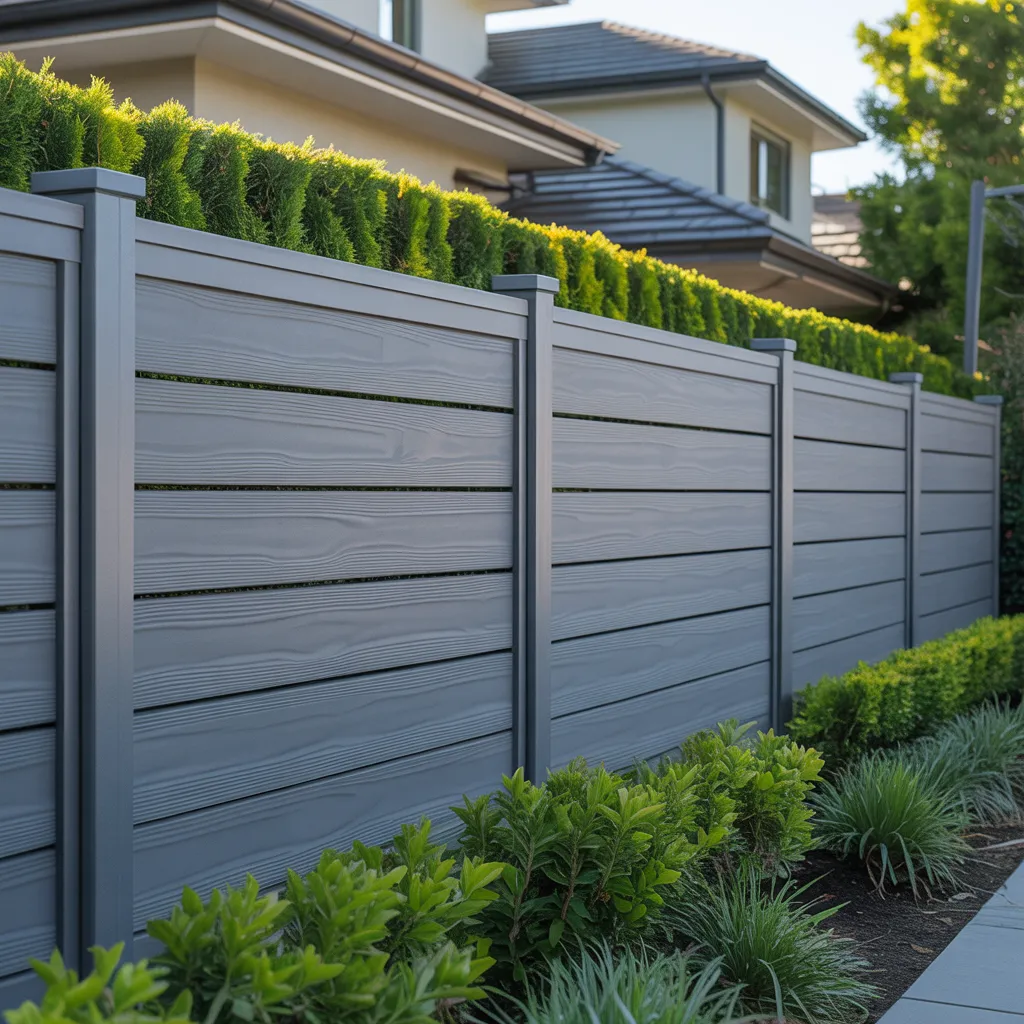
Key Benefits of Hiring Professional Fence Installers
The experience that professional fence installers bring delivers a notable advantage to homeowners in search of quality and reliability. These experts have the knowledge and background required to ensure that fences are set up properly and effectively. By enlisting professionals, homeowners can sidestep frequent mistakes, including poor alignment or insufficient support, which may result in expensive repairs down the road.
Furthermore, professional installers have expertise in local building codes and permit specifications, reducing the complexity of the process for homeowners. Their access to specialized tools and materials also guarantees a higher quality finish. Moreover, working with professionals can conserve time; as a do-it-yourself approach can cause project timelines to stretch, skilled specialists can accomplish installations swiftly and thoroughly.
Ultimately, choosing professional fence installation strengthens the durability and aesthetic appeal of the property, offering homeowners peace of mind and assurance in their investment.
How to Choose the Perfect Fence Material for Your Needs
Selecting the best fence material can be challenging, especially with the myriad of options to choose from. Homeowners should first evaluate their main requirements—whether for aesthetics, privacy, or security. For example, wood, delivers a traditional aesthetic and can be personalized effortlessly, but needs consistent upkeep. Vinyl fencing provides durability and low upkeep, making it an excellent choice for those looking for lasting value.
Chain link is an affordable option, providing both visibility and security, but does not provide much privacy. Metal alternatives like wrought iron or aluminum merge strength and sophistication, ideal for decorative applications.
Moreover, climatic conditions play a vital role; regions susceptible to moisture may require materials that resist rot or rust. Cost is also a consideration, as certain materials may carry higher upfront costs but reduced maintenance expenses over time. Ultimately, considering personal tastes and practical demands will direct homeowners toward the most fitting fence material for their property.
What Fence Style Works Best for Your Property?
What factors influence the fence style selection for a residential property? A number of factors play a key role in this choice, including the home's architectural style, landscape design, and desired function. Homeowners often select a traditional picket fence to enhance a traditional home's charm or a modern horizontal design for modern visual appeal.
In addition, the need for privacy and security greatly affect fence style selection. For instance, solid, tall panel fences create seclusion, while wrought iron alternatives balance visibility and security. Neighborhood trends and local regulations also influence decisions, as certain communities may enforce guidelines pertaining to fence height and acceptable materials.
Additionally, the weather affects longevity and maintenance; resilient materials including vinyl or metal may be preferable in more severe weather conditions. Considering these elements helps property holders to identify a fencing style that not only complements their home but also fulfills their functional demands.
Assessing Your Area: Crucial Steps Before Picking a Fence Style
Prior to choosing a fence design, it is essential for property owners to carefully measure their property, as exact measurements can significantly impact both appearance and practicality. The primary step involves determining the perimeter of the area where the fence will be installed. This requires taking measurements of the length and width, taking into account any variations in the terrain, such as gradients or curved sections.
Next, property owners should identify the location of utility lines, trees, and existing structures that may impact the fence installation. It is strongly suggested to document these details on a simple sketch for reference. Being aware of local regulations and property boundaries is also important, as regulations can dictate fence height and placement.
In the end, evaluating the desired purpose of the fence—whether for decorative purposes, privacy, or defining property lines—will assist homeowners in determining the most appropriate design. Precise measurements ensure a smooth and effective installation that fulfills both decorative goals and practical demands.
Boosting Property Security With Fencing
Fencing plays an essential role in improving property protection through various materials and designs. Factors such as height and style greatly influence a fence's ability to deter intruders. Furthermore, expert installation ensures that these features are maximized for maximum protection.
Fencing Material Types
A carefully selected fencing material can significantly improve home security while enhancing visual appeal. Various materials offer distinct benefits designed to meet varying requirements. Chain-link fences deliver clear sightlines and resilience, making them an affordable choice for protection. Wooden fences, while demanding some care, provide a timeless look and can deter intruders with their elevated stature. Vinyl fencing provides an easy-care solution that resists weathering and fading, providing both protection and elegance. For maximum strength, wrought iron and aluminum fences are ideal selections, blending durable safety with sophisticated styling. Moreover, composite fencing options combine strength with appealing surfaces, drawing the interest of residents wanting a stylish appearance. The unique properties of each material support reliable home security while boosting the property's visual allure.
Height And Design Considerations
In what ways can the height and design of a fence significantly influence property security? A thoughtfully selected fence height can ward off potential intruders; generally, heights surpassing six feet establish a significant barrier. Furthermore, the design serves a critical function; solid panels deliver privacy and limit visibility, making it challenging for outsiders to examine the property. On the other hand, fences featuring sharp spikes or pointed tops can additionally deter trespassing.
Furthermore, including features like lattice or trellises can enhance aesthetics while maintaining security. It is important to harmonize visual attractiveness with security measures, as a stylish design can add value to the property while serving its intended purpose. At the end of the day, the optimal pairing of structural height and aesthetic design can significantly improve the general safety of a premises.
Expert Installation Benefits
While numerous property owners may think about installing a fence on their own, opting for professional installation offers numerous advantages, especially when it comes to improving security. Skilled professionals offer the experience necessary to make certain fences are designed to endure environmental factors and reliably ward off potential intruders. They assess the property's unique needs, recommending materials and designs that not only enhance aesthetics but also bolster security. Proper installation minimizes gaps and weak points, reducing vulnerabilities that could be exploited. Additionally, expert installers are well-versed in local codes and zoning requirements, ensuring adherence and preventing costly penalties. By entrusting the installation to experts, property owners can achieve a durable, secure fence that adds value and peace of mind, allowing them to focus on other important aspects of property management.
Easy Maintenance Tips for Your Fence
Maintaining a fence calls for consistent maintenance to guarantee its long-term performance and curb appeal. To ensure the best outcome, it is important to inspect the fence routinely for any signs of damage, such as rust, cracks, or weakened boards. Treating the fence with a mild detergent and water can clear away debris and stop mold formation, which is particularly vital for timber fences. Moreover, adding a protective coat of paint or sealant will guard the fence against environmental factors and increase its durability.
Cutting back surrounding vegetation also minimizes the likelihood of moisture retention and pest infestations. When it comes to metal fences, regular checks for rust ought to be carried out, treating any affected areas promptly. Additionally, maintaining adequate drainage around the fence can prevent water damage and soil erosion, enhancing the overall stability and appearance of the fence. By following these simple maintenance tips, homeowners can ensure their fence remains in top shape for years to come.
Breaking Down Fence Project Costs
Understanding the costs related to a fencing project includes several key elements. The choice of materials significantly affects general pricing, while the cost of labor can differ according to the scope of the project. Moreover, the detail of the process of installation is a key factor in calculating the total expense.
Impact of Material Selection
Selecting the correct material options for a fence heavily affects the total project costs. Various choices, such as aluminum, wood, vinyl, and chain link, come with unique pricing and maintenance requirements. As an example, while wood might be initially cheaper, it often demands regular upkeep, possibly raising long-term expenses. In contrast, aluminum and vinyl offer durability and low maintenance but usually involve larger initial investments. The selection of materials also affects installation complexity, which can also influence the final budget. Furthermore, visual preferences may influence which materials are chosen; visually appealing selections often come at a premium. Ultimately, understanding the connection between material selection and project costs is important for homeowners and buyers looking to find the right balance between cost, function, and aesthetics in their fence installations.
Labor Cost Analysis
Labor expenses play a vital role in determining the total expenses of a fence construction project. These expenses encompass several key factors, including the hourly rates of the skilled professionals engaged and the projected time needed to complete the work. In most cases, qualified laborers charge premium rates due to their expertise. Additionally, the size see the facts and scope of the project can greatly impact labor costs; larger or more intricate installations demand more workforce and time. Frequently, homeowners may also face additional costs for permits or inspections, which are essential for adhering to local regulations. Recognizing these labor costs offers a better understanding of the complete budget and allows for better financial planning when undertaking a fence installation project.
Installation Complexity Factors
When assessing the expenses related to a fence installation endeavor, several complexity factors must be considered. The materials chosen greatly influences expenses; for example, wood is often more affordable than vinyl or wrought iron but demands more regular upkeep. Site conditions play a role as well; rough terrain or surrounding structures can make installation more complex, raising the cost of labor. Additionally, local building codes and permits may extend the timeline and increase costs. The style and height of the fence add to the overall complexity; elaborate designs typically demand greater labor and skill. Lastly, the choice between DIY or professional installation significantly influences the total cost, as skilled labor guarantees quality and longevity. Understanding these factors helps in accurately estimating project expenses.
How Expert Installers Increase Your Fence's Value
Choosing professional fence installation considerably enhances a property's worth. Professional installers offer skills that confirm fences are designed to endure, enhancing both durability and aesthetics. Their understanding of local rules and construction standards ensures adherence, decreasing the likelihood of legal problems and connected costs for homeowners.
Moreover, skilled installers can recommend premium materials that align with the homeowner's goals while enhancing longevity and maintenance needs. The quality of work displayed in a expertly installed fence not only enhances visual appeal but also produces a more integrated aesthetic with the neighboring landscape.
In addition, a well-designed fence can supply extra privacy and security, qualities that prospective buyers frequently value. By selecting professional installation services, homeowners can rest easy that their financial commitment will result in greater financial gain when it comes time to sell. When all is said and done, professional fence installation turns a standard fence into a significant asset that elevates the entire property experience.
Questions We Often Receive
How Much Time Does a Standard Fence Installation Require?
A typical fence installation takes between one and three days, influenced by factors including fence type, terrain conditions, and weather. Careful planning and preparation can help expedite the process, guaranteeing on-time completion and excellent results.
What Permits Do You Need for Fence Installation?
In most cases, putting up a fence requires permits from local authorities, including zoning clearances and construction permits. Homeowners ought to reach out to municipal authorities to guarantee compliance, as regulations vary by location and type of fence being installed.
Will There Be Any Damage to My Yard When Installing?
In the course of installation, yard damage can occur, especially due to heavy machinery or excavation. That said, professional services often take precautions to minimize disruption, ensuring the landscape remains intact whenever possible, resulting in homeowners being pleased with the outcome.
Is It Possible to Install a Fence During the Winter Months?
Yes, a fence can be set up during the winter season. However, the ground could be frozen solid, creating challenges for the installation process. Proper planning and techniques are essential to maintain durability and efficiency in lower temperatures.
What Should I Do if My Fence Gets Damaged Later?
Should a fence sustain damage over time, it might need fixing or replacing, depending on the extent of the damage. Consistent care can increase its longevity, while neglect might lead to additional issues and costs.
Comments on “Hire Fortress Fence Company Austin for Iron Fencing”